


How To Build A Football Shirt Collection With Shirts From Around The World

Building a football shirt collection from around the world is less about owning as many shirts as possible and more about creating a collection with variety, stories and personality. The best collections mix different countries, leagues, eras and designs, rather than filling a wardrobe with versions of the same few clubs.
A good place to start is by giving yourself a loose theme, then allowing room for surprise. You might collect one shirt from every continent, hunt down unusual club colours or focus on teams you discover through travel, tournaments and football culture.
The unpredictable shirts are often the ones that become favourites.
Start With A Collection You Actually Want To Build
It is easy to start collecting without any real direction. One shirt becomes five, five becomes twenty, and suddenly half the collection looks almost identical.
Before buying too much, think about what interests you most.
You could build around:
Countries you have visited
Clubs from different leagues
International teams
Shirts from one decade
Unusual colours and patterns
Smaller clubs rather than major European teams
Kits associated with favourite players
One shirt from every country you can find
Your theme does not need strict rules. In fact, a little flexibility usually makes the collection more interesting.
The point is to give yourself a reason to look beyond the obvious.
Use Mystery Shirts To Discover Clubs You Would Never Pick Yourself
One of the hardest parts of building a global collection is knowing where to look next.
That is where mystery football shirt boxes come into their own.
Instead of searching for a specific club, you let the shirt arrive first. The team, league or country becomes the discovery afterwards.
That can take your collection in completely unexpected directions.
You might open a shirt from a club in Scandinavia, South America or Eastern Europe, then find yourself reading about its stadium, supporters and history ten minutes later.
It is a different way to collect because you are not simply buying shirts you already know you like. You are giving yourself the chance to find something new.
For collectors who value individuality, that unpredictability is part of the appeal.
Look Beyond The Biggest European Clubs
Real Madrid, Barcelona, Liverpool and AC Milan have produced plenty of great shirts, but a global collection becomes far more interesting once you move beyond the clubs everybody recognises.
Look at leagues you rarely see on television.
Japan's J.League has produced some brilliant designs. South American football brings distinctive sponsors and colour combinations. Scandinavian clubs often have clean, unusual kits, while teams across Africa and Asia can introduce completely different visual styles.
Some of the best shirts in football are not worn on the biggest stages.
Browsing authentic football shirts from unfamiliar clubs is a good way to widen the collection without losing the connection to real teams and football culture.
If a shirt catches your attention, research the club before moving on. Often the story makes the design even better.
Collect By Country Or Region
A simple way to give a growing collection structure is to work geographically.
Start with one shirt from a handful of countries, then gradually fill the gaps.
For example, you could aim for:
One shirt from every major European league
One club from each Scandinavian country
Shirts from across South America
A selection from East Asian leagues
African national team shirts
Clubs from cities you have visited
This turns collecting into something closer to a map.
Each new shirt adds another place and another story.
It can also stop you buying too many near-identical shirts from the league you already watch every weekend.
Use International Tournaments As Inspiration
World Cups, European Championships, Copa América and the Africa Cup of Nations are brilliant places to discover shirts.
A tournament introduces dozens of teams at once, many of which you may rarely watch during the rest of the year.
Pay attention to the kits that make you stop scrolling or look twice during a match.
You do not need to support the country. A strong football shirt can stand on its own.
International shirts also add a different feel to a collection because badges, colour traditions and manufacturers vary so much between nations.
A club-heavy wardrobe suddenly looks much more interesting once shirts from Mexico, Japan, Nigeria or Croatia start appearing beside it.
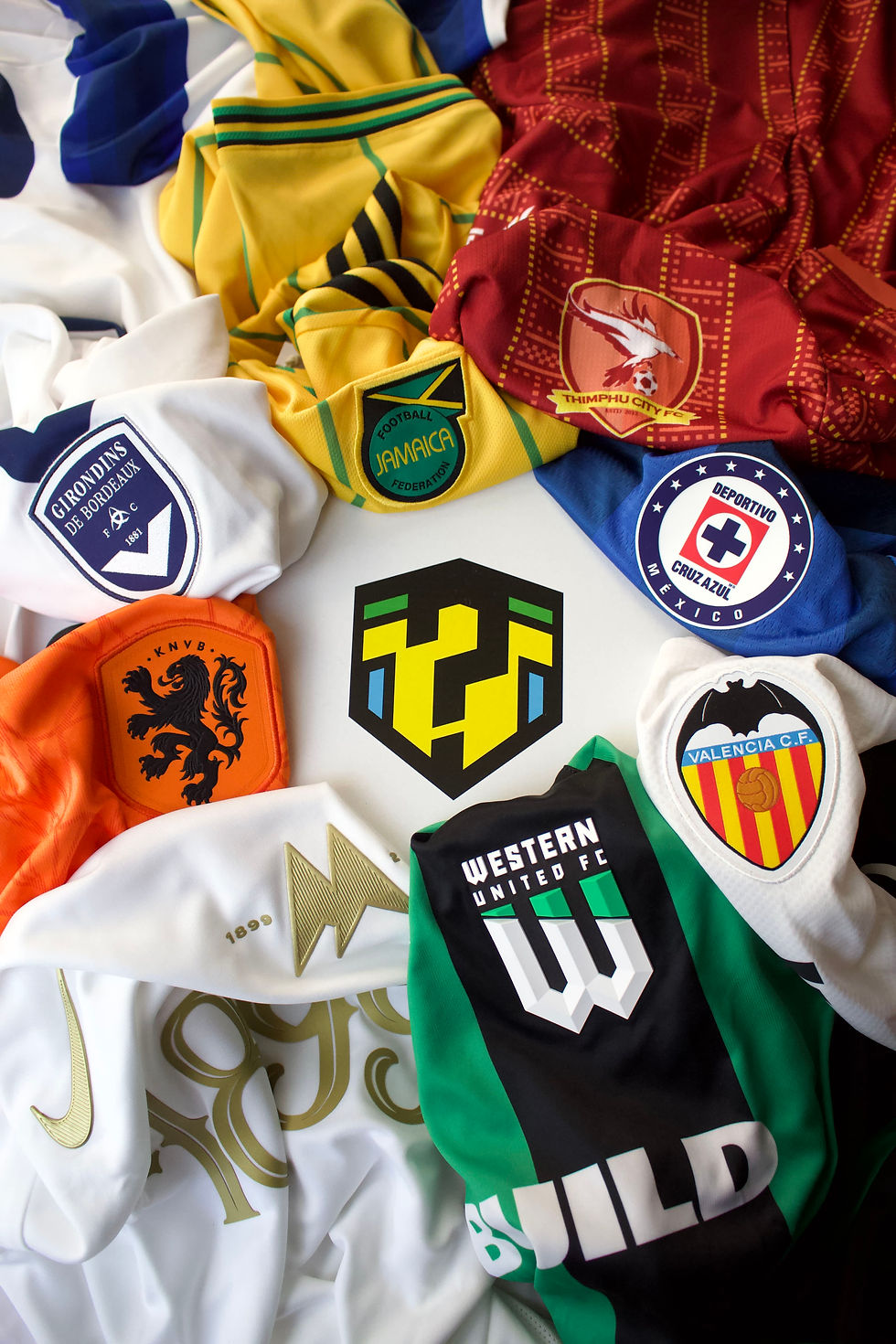
Add Older Shirts To Give The Collection Some History
Modern kits are only one part of football shirt culture.
Adding vintage football shirts brings different fabrics, sponsors, cuts and design ideas into the collection.
Older shirts often have a character that is difficult to recreate.
A 1990s goalkeeper shirt might be loud enough to stop traffic. A simple striped club shirt can bring back memories of players and matches you watched growing up.
You can also use older kits to explore football eras you missed first time around.
That makes collecting about more than nostalgia. It becomes a way of discovering the visual history of the game.
Do Not Ignore Shirts Because You Have Never Heard Of The Club
This might be the most important rule.
An unfamiliar badge is not a reason to put a shirt back.
In many cases, it is exactly why you should pick it up.
If you only collect clubs you already know, your collection will naturally follow the same leagues, competitions and teams you already watch.
An unknown shirt breaks that pattern.
Look at the design first. Then find out where the club plays.
You might discover a tiny stadium in Portugal, a historic team in Argentina or a club from a city you suddenly want to visit.
That sense of discovery is one of the best parts of collecting.
Set A Budget Before The Collection Gets Serious
Football shirt collecting can become expensive quickly.
You do not need every shirt immediately.
Set a monthly or yearly budget and make yourself wait for the right pieces. A smaller collection where every shirt means something will usually feel better than a wardrobe full of impulse purchases.
It also gives you room to spend more when something special appears.
You might normally buy modern shirts at a lower price, then save for an older kit you have wanted for years.
The chase is part of the fun.
Learn How To Check Authenticity
As your collection grows, authenticity becomes more important.
Popular retro designs are frequently reproduced, while modern counterfeit shirts can look convincing in online photographs.
Before buying an expensive shirt, research the design.
Check details such as:
Product codes
Labels
Manufacturer logos
Sponsor placement
Badge construction
Stitching
Season-specific details
Compare the shirt with photographs from reliable archives and match footage where possible.
Price can also be a warning sign. If a supposedly rare shirt is available brand new in every size for a fraction of its usual value, take a closer look.
Buying from trusted sellers takes a lot of the uncertainty away.
Keep Track Of What You Own
Once the collection starts growing, make a record of it.
A simple spreadsheet can include:
Club
Country
Season
Manufacturer
Home, away or third shirt
Size
Condition
Price paid
Where you bought it
You could also photograph every shirt.
This helps you see where the gaps are in the collection and stops you accidentally buying something similar to a shirt you already own.
It is also satisfying to look back and see how far the collection has travelled.
Wear The Shirts, If You Want To
There is no rule saying a football shirt collection has to live untouched in storage.
Many collectors buy shirts because they enjoy wearing them.
An obscure club shirt can be a great conversation starter, particularly when somebody recognises the badge.
Of course, rarer or older shirts might deserve more careful treatment. Some collectors keep their most valuable kits stored or framed while regularly wearing the modern ones.
The collection belongs to you. Build it around how you actually enjoy football shirts.
Let Travel Shape The Collection
Buying a shirt while visiting a city gives it a memory that cannot really be recreated online.
If you go to a match abroad, visit the club shop. Check independent sports shops and second-hand stores too.
You might find something from a smaller local team rather than the obvious club.
Over time, the shirts become souvenirs of places rather than just items in a wardrobe.
You can even reverse the idea and let the shirt choose the trip. Get a club shirt first, learn about where it comes from and start thinking about visiting the city yourself.
That is how a collection can begin to shape the football you experience, rather than simply documenting it.
Frequently Asked Questions
How many football shirts do you need to start a collection?
There is no minimum. A collection begins as soon as you have a few shirts you care about and start choosing new ones with some intention.
What football shirts are best to collect?
The best shirts to collect are the ones that interest you. Some collectors focus on rare vintage kits, while others prefer international teams, unusual clubs or shirts from places they have visited.
Are mystery football shirts good for collectors?
Yes. Mystery shirts can introduce clubs, leagues and designs that you would not normally search for yourself, making them particularly useful for collectors trying to build a more varied wardrobe.
Should I only collect authentic football shirts?
Authentic shirts usually have greater appeal to collectors because they are genuine products connected to the club or national team. They may also hold their value better than unofficial reproductions.
Are vintage football shirts worth collecting?
Yes. Vintage shirts add history and design variety to a collection. Their value depends on factors including age, rarity, condition, player names and demand.
How should I store a football shirt collection?
Keep shirts clean, dry and away from prolonged direct sunlight. Modern shirts can usually be hung or carefully folded, while rare and older shirts may benefit from archival storage methods.
Final Thoughts
The best football shirt collections do not look as though somebody simply searched for the twenty biggest clubs in Europe.
They have surprises.
A Japanese club sits beside an old Serie A shirt. A South American kit shares a rail with something found on holiday in Portugal. Somewhere in the middle is a shirt from a team you knew nothing about until the day it arrived.
That variety is what makes collecting fun.
Start with the football you already love, then give yourself permission to go somewhere unexpected. Explore our mystery football shirt boxes if you want to add an element of surprise to your next shirt, or contact Mystery Football Shirts if you have a question about building your collection.


