How To Spot Signs Of A Quality Football Shirt

A quality football shirt should feel well made, look consistent and hold up to closer inspection. Check the fabric, stitching, club badge, manufacturer logo, labels and sponsor printing before judging a shirt by design alone. On older kits, signs of age are normal, so quality is more about authentic construction and good condition than looking brand new.
That matters even more when you start collecting shirts from clubs you do not already know. Some of the best finds come from unfamiliar teams, leagues and eras, but it helps to know what separates a properly made shirt from something that feels cheap or questionable.
Start With The Fabric
The fabric is one of the first things you notice when you pick up a football shirt.
Modern kits are usually made from lightweight polyester designed to move moisture away from the body. The material should feel consistent across the shirt, without thin patches, rough sections or obvious differences between panels unless they are part of the design.
Higher-specification shirts may use different textures across the body, shoulders or ventilation zones. That does not automatically make them better for collecting, but it should feel intentional.
Older shirts can be very different.
A 1990s shirt might feel heavier, shinier or more substantial than a modern kit. Some older designs used woven patterns directly in the fabric, while others had thicker collars and cuffs.
That variation is part of the appeal of vintage football shirts. You are often handling something made in a completely different period of sportswear design.
Look Closely At The Stitching
Turn the shirt inside out.
It is not glamorous, but it tells you a lot.
A quality shirt should have neat, consistent stitching around the seams. Look at the collar, sleeves, shoulders and sides. Loose threads are not always a major problem, especially on an older shirt, but messy seams across the whole garment can suggest lower-quality construction.
Check where different fabric panels meet too.
They should line up properly rather than twisting or pulling in different directions.
On used shirts, some wear is completely normal. What you want to avoid is stitching that has started coming apart or seams that look stretched beyond repair.
Check The Club Badge
The badge is often one of the easiest places to inspect.
Depending on the shirt and era, a club crest may be embroidered, woven, stitched on as a patch or heat applied.
There is no single construction method that proves quality. What matters is whether the badge matches how that particular shirt was actually produced.
Look for clean edges, accurate colours and clear details.
Poor reproductions often struggle with intricate badge elements. Lettering may be uneven, colours can look slightly wrong or small details disappear completely.
If you are unsure, compare the shirt against reliable photographs of the same season.
Inspect The Manufacturer Logo
The Nike Swoosh, adidas Performance logo, Puma cat or another manufacturer mark should also look sharp and consistent.
Again, the exact construction method varies.
Some logos are embroidered. Others are heat applied or woven into the fabric.
What matters is that the finish makes sense for the year and model of shirt you are looking at.
A badly shaped logo, strange spacing or poor stitching can be a warning sign, particularly when other details also seem wrong.
Look At The Labels And Product Codes
Labels can tell you a surprising amount.
Modern authentic football shirts often include manufacturer labels containing size information, country of manufacture and product codes.
Those product codes can be especially useful when researching a shirt.
Search the code online and compare the results with the shirt in front of you. If a label supposedly belongs to a Barcelona home shirt but the code consistently returns running shorts, something deserves a closer look.
However, product-code checking is only one part of authentication.
Labels change over time, and older football shirts may not follow the same system used on current kits.
A convincing label does not automatically prove a shirt is genuine either. Look at the whole garment.
Examine The Sponsor Printing
Sponsors are part of what gives football shirts their personality.
They are also an area where quality can vary significantly.
On a well-made shirt, the sponsor should be positioned correctly and applied cleanly. Look for straight alignment and sharp edges.
With older shirts, cracking or fading can be completely legitimate. Sponsor materials deteriorate with age, particularly after repeated washing.
In fact, a thirty-year-old shirt with an absolutely flawless sponsor sometimes deserves more investigation than one showing believable signs of use.
The important question is whether the wear looks natural.
Uneven peeling, poor alignment or obviously incorrect fonts can suggest that a sponsor has been reapplied or replaced.
That does not always make a shirt undesirable, but collectors should know what they are buying.
Check Names And Numbers Carefully
Namesets are another area worth inspecting closely.
Player printing varies between competitions, countries and seasons. Clubs may also have used different styles for domestic league and European matches.
Check the font, spacing, colour and positioning.
Look closely at league patches too. A Premier League sleeve badge from one era will not necessarily match another.
If you are buying an older named shirt, compare it with photographs from matches during that season.
This is particularly important for famous players, where unofficial namesets are common.
Know The Difference Between Replica And Player-Version Shirts
The word "replica" can be confusing.
An official replica shirt is not the same thing as a counterfeit shirt.
Replica versions are official products designed for supporters. They often use a slightly looser fit and more durable materials than the versions worn by players.
Player-version or "authentic" models are usually lighter and more fitted, with extra ventilation and heat-applied details.
Both can be genuine, quality football shirts.
For many collectors, the supporter version is actually easier to wear and maintain.
Do not assume the most expensive version is automatically the most desirable.
Compare The Shirt With Reliable References
If something feels wrong, compare it.
Look for match photographs, official club images or reputable shirt archives showing the same design.
Pay attention to:
Collar shape
Sleeve cuffs
Badge placement
Manufacturer logos
Sponsor size
Fabric patterns
Labels
Product codes
Namesets
League patches
A single difference might have an innocent explanation.
Several differences together are more concerning.
Football shirts also sometimes have regional or production variations, so avoid making a judgement based on one tiny detail alone.
Remember That Age Changes What "Quality" Looks Like
A quality vintage shirt does not need to look brand new.
That would be unrealistic.
Older kits can have small pulls, slight fading, worn labels or sponsor cracking while still being completely authentic and highly collectable.
Condition should be judged in context.
A shirt from 1994 that has been worn for thirty years cannot reasonably be compared with something produced last month.
For vintage collectors, originality often matters more than perfection.
A slightly worn original sponsor can be much more interesting than a freshly replaced one.
Quality Does Not Always Mean A Famous Club
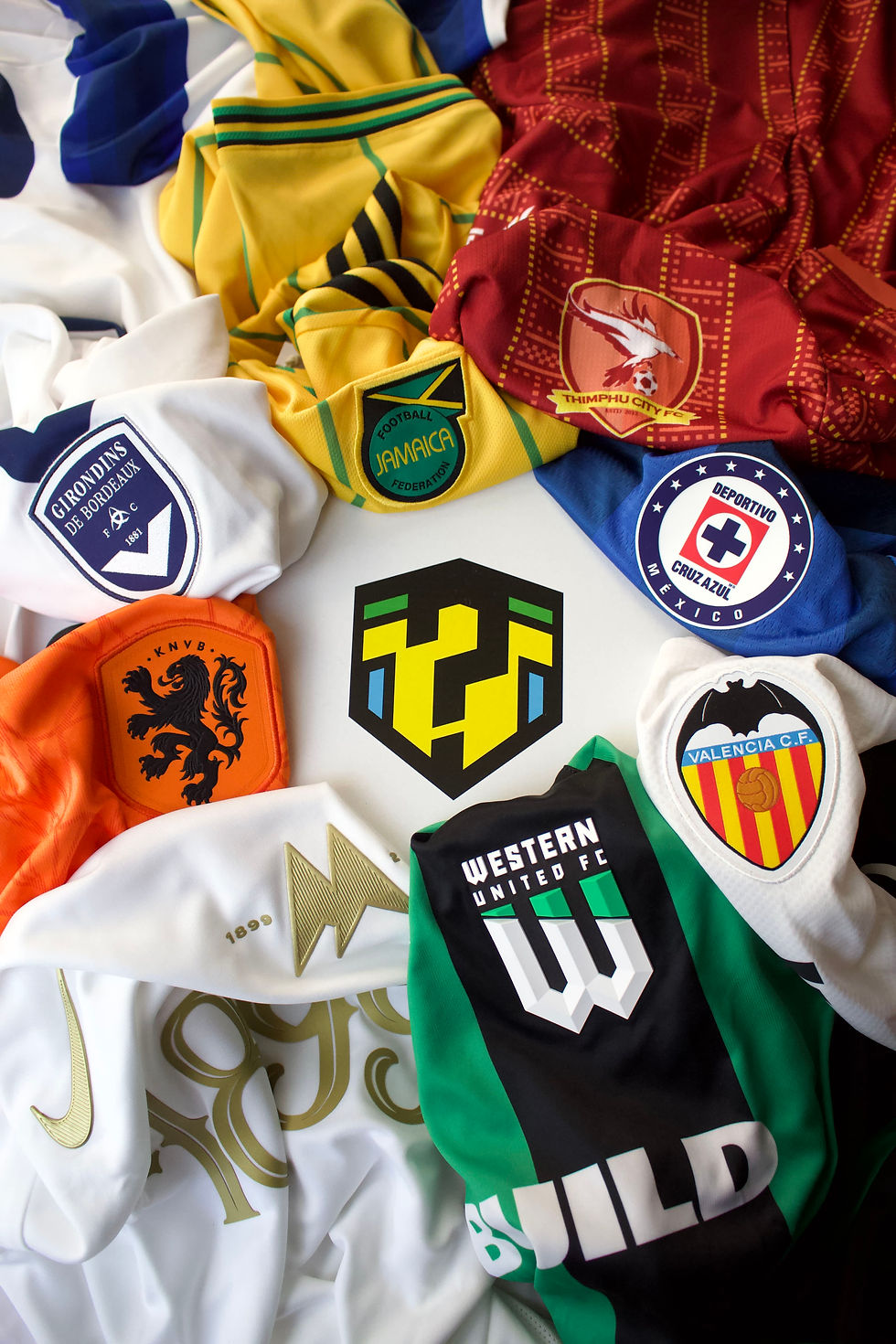
A great shirt does not need Real Madrid, Manchester United or AC Milan on the badge.
Plenty of smaller clubs produce excellent kits with distinctive patterns, unusual colour combinations and strong local identity.
That is part of what makes mystery football shirt boxes interesting.
You are judging the shirt on what arrives in front of you rather than choosing something because you already know the badge.
A shirt from an unfamiliar club can quickly become one of the best pieces in a collection if the quality, design and story are right.
Pay Attention To The Overall Finish
Sometimes you can get too focused on individual details.
Take a step back.
Does the shirt look right as a whole?
Do the collar and sleeves sit naturally? Are the patterns aligned? Does the sponsor look like part of the design rather than something added afterwards?
Quality shirts tend to feel coherent.
Nothing jumps out for the wrong reason.
The more football shirts you handle, the easier that instinct becomes. You start noticing how different manufacturers construct shirts and how materials changed from one decade to another.
That knowledge is one of the enjoyable parts of collecting.
Frequently Asked Questions
How can you tell if a football shirt is good quality?
Check the fabric, stitching, badge, labels, sponsor printing and overall finish. Quality shirts should feel consistently made and the details should match genuine examples from the same season.
Does a product code prove a football shirt is authentic?
No. A matching product code is useful evidence, but it should be considered alongside the labels, construction, badge, printing and other details.
Are replica football shirts fake?
No. Official replica shirts are genuine products made for supporters. They usually differ from player-version shirts in fit, fabric and construction.
Should vintage football shirts look perfect?
Not necessarily. Genuine older shirts often show some wear, including pulls, fading or cracking to sponsors. Condition should be considered alongside the shirt's age.
Are embroidered badges always better?
No. Different manufacturers and eras use different badge construction methods. Heat-applied and woven badges can also be found on genuine high-quality shirts.
Is a heavier football shirt better quality?
Not automatically. Modern performance shirts are often deliberately lightweight, while many older football shirts used heavier fabrics. Quality depends on construction rather than weight alone.

Final Thoughts
Spotting a quality football shirt gets easier the more shirts you handle.
Start with the basics. Look at the fabric, seams, badges, labels and printing. Then compare those details with reliable examples from the same season.
Do not expect every good shirt to look pristine, particularly when you start exploring older kits. A little genuine wear can tell part of the story.
And do not overlook unfamiliar clubs either. Some of the most interesting shirts in a collection are the ones you would never have searched for yourself.
If you fancy putting your eye for quality to the test, explore our mystery football shirt boxes, or contact Mystery Football Shirts if you have a question about finding your next shirt.